
What makes a haircut the best?
Share
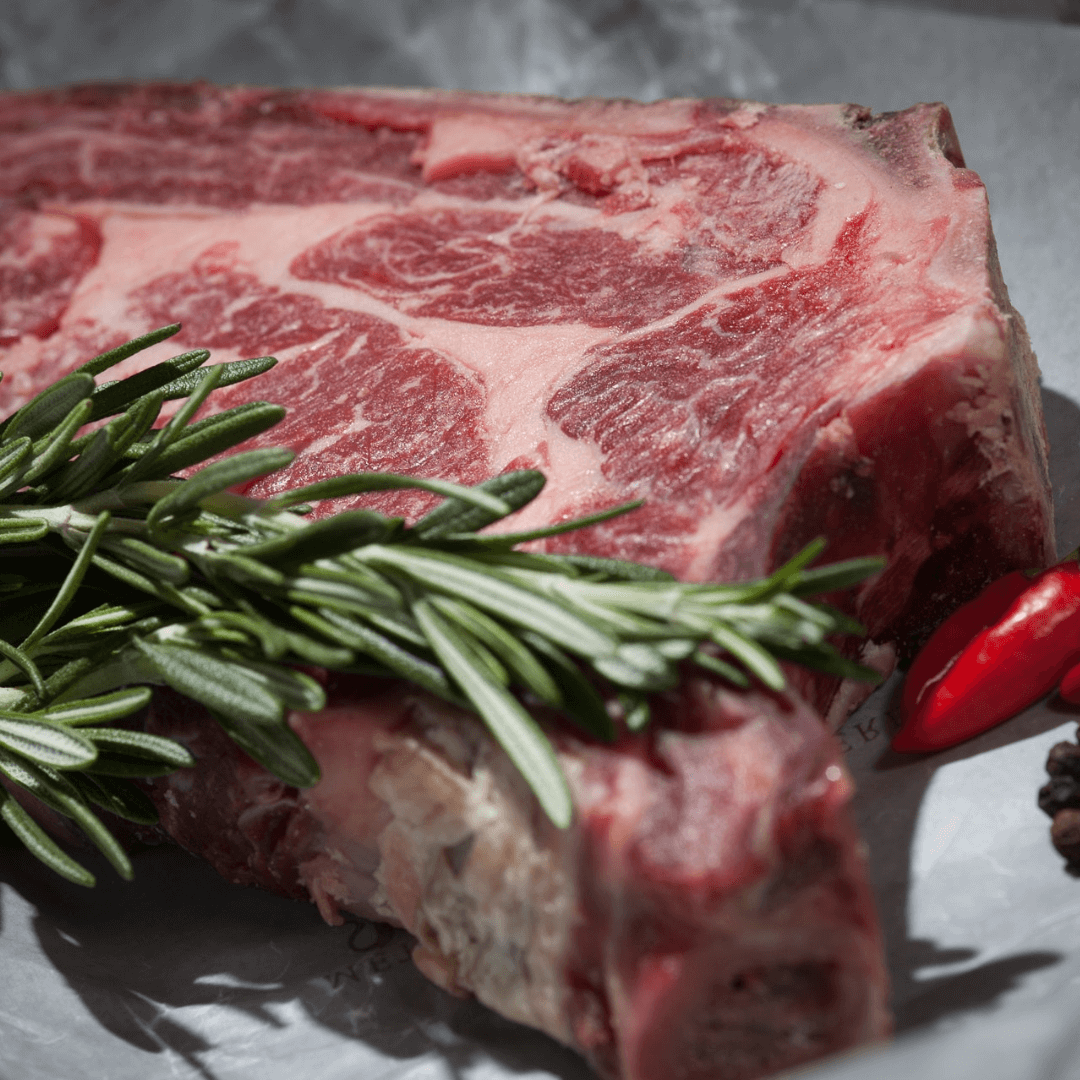
- Marbling: Marbling is the presence of intramuscular fat and creates a yin to yang balance within the muscle. This fat adds immense flavor, tenderness, and moisture. The more marbled the steak, the higher its fat content.
Insert advertising for steakhouses
- Bone-in or bone-out: meat with the bone takes longer to cook, but the bone helps seal in moisture and adds a lot of flavor. The saying, "the closer to the bone, the sweeter the meat," didn't come from nowhere.
- USDA Grading: The national beef grading scale in the United States, developed by the Department of Agriculture, is based on the meat's maturity and marbling. There are eight grades, and from highest to lowest, they are Prime, Choice, Select, Standard, Commercial, Utility, Cutter, and Canner. Read more about USDA grading on the agency 's website.
Insert deli market advertisement
- Dry aging: Dry aging is the process of aging beef (or anything else) in a controlled outdoor environment. This removes moisture from the surface of the meat, causing enzymes to slowly break down and form a crust to which bacteria and mold adhere (much like cheese). The interior remains bright red and moist, and the resulting flavor is as rich, full-bodied, and nutty as beef.
- Tenderness: The presence of soft muscle tissue (such as that found in the loin) and fat is what creates tenderness. While tenderness is desirable, it is by no means necessary, and a tougher cut of meat can be compensated for with a proper cooking method (see flank steak, for example).
For quick and easy grilling , look for cuts with tender muscle meat, full marbling, or a combination of both.
Loin cuts such as filet mignon, ribeye, T-bone, strips and sirloin are some of the most popular steaks for grilling, but lesser-known cuts like picanha, tri-tip and hanger steak turn out just as well, with a little more care.
There are some technically objective ways to to determine what makes a cut "good" , with the USDA classification being one of them.
But the best steak will vary from person to person depending on the amount of marbling they like, the level of tenderness they prefer, and the temperature at which they want their meat cooked.
The cuts of meat most often preferred for their different levels of marbling, fat, leanness, or some combination thereof, link to another post